BMW's Profits Fall Sharply
German automotive giant BMW has lowered its profit outlook for 2026. Intensifying competition from Chinese carmakers, declining sales and restructuring costs are putting significant pressure on the company's financial performance.
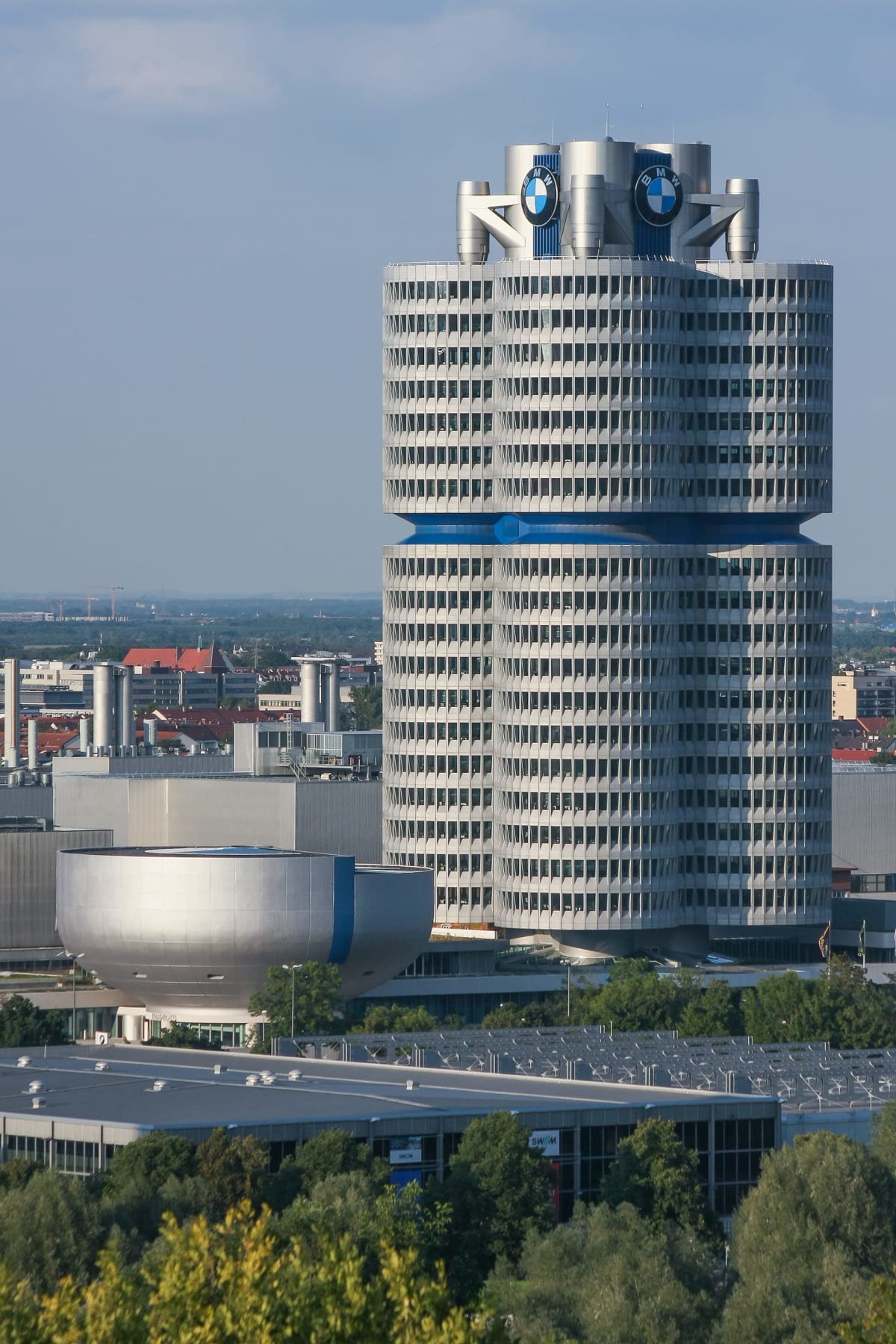
German automotive giant BMW has lowered its profit outlook for 2026. Intensifying competition from Chinese carmakers, declining sales and restructuring costs are putting significant pressure on the company's financial performance.
German automaker BMW has released its third-quarter financial results. According to the company, pre-tax profit fell by 11% year-on-year during the reporting period. Net profit declined by approximately 15% to €1.45 billion, while revenue dropped by 6% to €30.45 billion.
These figures indicate that the economic and industrial challenges facing BMW have intensified. In its latest profit warning issued on Tuesday, the company said restructuring measures and other expenses could push its core automotive business into an operating loss in 2026.
Risk of losses in the automotive division increases
BMW's operating profit margin in its automotive division fell to 3.4% in the third quarter, compared with 5.2% in the same period last year.
The company has also significantly downgraded its forecast for the automotive division's operating profit margin in 2026. Previously projected at between 1% and 3%, the figure is now expected to range from minus 0.5% to plus 0.5%.
This means that BMW's automotive business could end the year with an operating loss.
The company's management considers cost reductions, accelerated structural changes and a restructuring of its business model to be key priorities in addressing the situation.
BMW CEO Milan Nedeljković said that developments in the automotive industry require decisive action and rapid implementation. According to him, the company will particularly strengthen its structural measures and accelerate their execution.
Pressure from Chinese automakers intensifies
One of the main factors negatively affecting BMW's financial performance is the growing global market presence of Chinese car manufacturers.
In recent years, BYD and other Chinese companies have expanded their international market share by offering more affordable and technologically competitive vehicles. This trend has created significant competitive pressure, particularly for traditional German automakers.
Alongside BMW, Mercedes-Benz and Volkswagen are also implementing measures to reduce costs, optimise production structures and cut their workforces.
Weakening demand for German vehicles in China has further complicated the situation. The growing dominance of domestic Chinese manufacturers is limiting sales opportunities for BMW and other European brands. At the same time, increasing exports by Chinese companies to Europe are intensifying competition.
Sales in China fall by 24.8%
According to BMW, vehicle deliveries in China declined by 24.8% year-on-year in the third quarter.
This downturn has also affected the company's global sales performance. Worldwide vehicle deliveries fell by a total of 6.3%.
By comparison, vehicle deliveries increased by 2.6% in Europe and 2.5% in the United States during the reporting period. As a result, the sharp decline in China outweighed the positive performance recorded in other regions.
BMW plans to expand its local production and supply capabilities in an effort to regain its position in the Chinese market. The company intends to source a larger share of the supply chain for vehicles sold in China from within the country.
The group, which owns the BMW, Mini and Rolls-Royce brands, aims to adapt more effectively to local market conditions and strengthen its competitiveness through this strategy.
What lies ahead for Germany's automotive industry?
BMW's declining profits can be seen as a sign of the broader challenges facing Germany's automotive industry.
The transition to electric vehicles, high production costs, the need for substantial investment in technological innovation and the price advantages of Chinese manufacturers are significantly affecting the business models of European automakers.
Traditional car manufacturers are now competing not only in engine development and vehicle design but also in software, battery technology, artificial intelligence and digital control systems.
Under these circumstances, BMW's main challenge is to reduce costs while maintaining investment in innovation and restoring its position in global markets.
Following the announcements, BMW shares rose by approximately 2% on Wednesday at around 11:00 Central European Time compared with the previous trading day's closing price.
BMW's deteriorating financial performance is not merely a problem for one company; it is an important signal of the changing competitive balance in the global automotive industry. The future position of Germany's automotive giants in the face of the rapid rise of Chinese manufacturers will depend on how quickly and effectively they adapt to technological innovation, cost optimisation and new market strategies.