How Does the Rise in Oil Product Prices Affect Our Daily Lives?
Oil products are not just car fuel. Gasoline, diesel, aviation fuel, fuel oil, gas, and petrochemical feedstock are used in transport, agriculture, industry, energy production, and even in plastics and packaging materials. This is why, when fuel prices rise, the effect spreads like a chain reaction through the whole economy.
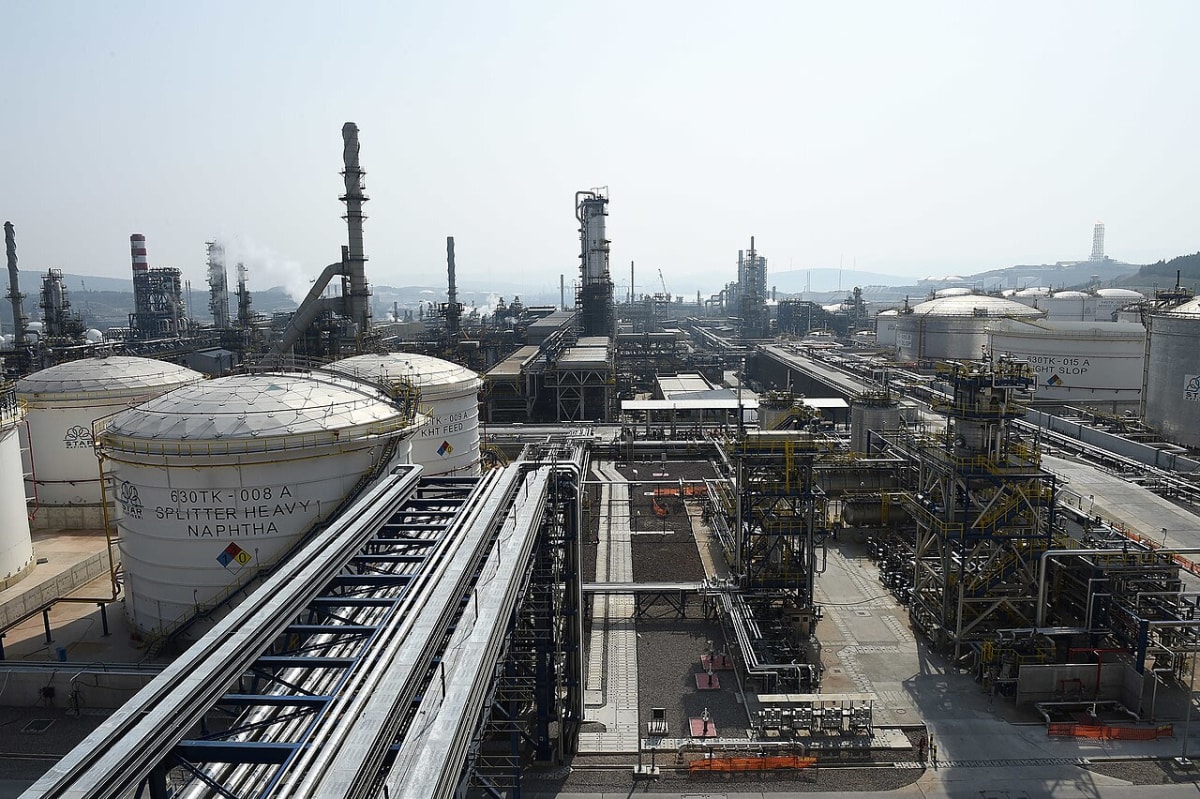
Oil products are not just car fuel. Gasoline, diesel, aviation fuel, fuel oil, gas, and petrochemical feedstock are used in transport, agriculture, industry, energy production, and even in plastics and packaging materials. This is why, when fuel prices rise, the effect spreads like a chain reaction through the whole economy.
Drivers pay more at every fill-up. Taxi and delivery services pass the higher costs on to customers. In public transport, either fares go up or the state’s subsidy burden grows. Airfares rise too, because fuel makes up a large share of airlines’ costs.
Agricultural machinery runs on diesel, while fertilizers and packaging materials are petrochemical products. As transport and storage costs increase, the prices of many goods, from bread to clothing, go up. This process sometimes lags by months, and even when oil gets cheaper, prices often do not fall back at the same speed.
Higher energy prices push up the overall price level, and the real value of wages and pensions declines. Low-income families, whose budgets have a high share of fuel, transport, and food spending, are hit hardest. Central banks may raise interest rates to fight inflation, which makes loans more expensive.
Costs rise in transport, agriculture, construction, tourism, and manufacturing. When small businesses cannot pass these costs fully on to customers, their profits shrink and jobs are sometimes cut.
In oil-exporting countries such as Azerbaijan, high prices usually increase budget and foreign currency revenues. However, citizens are not entirely shielded. Domestic fuel prices depend on taxes, subsidies, and government regulation, and imported goods reflect rising costs worldwide. Dependence on oil revenues makes the economy vulnerable when prices fall.
High prices push people toward saving fuel, using public transport, and switching to electric cars, which can reduce emissions in the long term. In the short term, however, such a transition is not affordable for every family.
The rise in oil product prices does not end at the amount shown at the gas station. It affects food prices, tariffs, inflation, employment, and the state budget. The strength of the impact depends on whether a country is an importer or exporter, on its regulatory policy, and on a family’s income level. The most reliable protection against price shocks is diversifying energy sources and adopting economical consumption habits.