From Oil and Gas to Construction: Sectors Losing Momentum in Azerbaijan’s Economy
Oil and gas output is falling, construction is contracting, and non-oil growth is weaker than expected. Although official indicators point to stability, a number of sectors are in a serious risk zone.
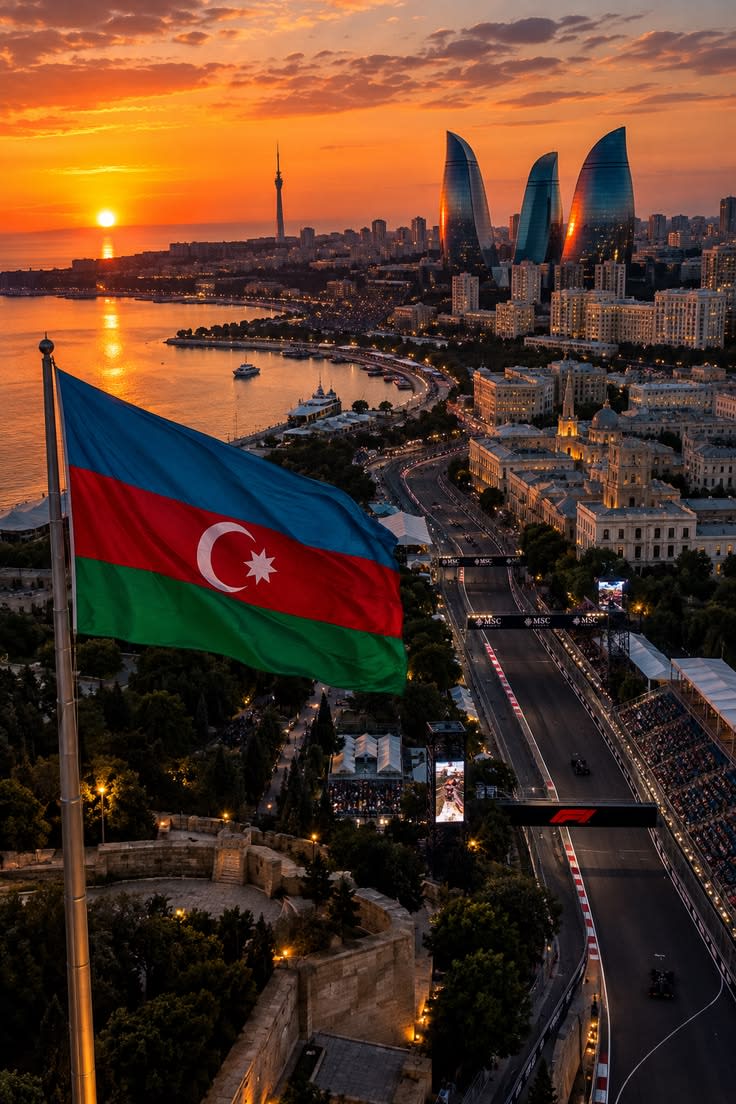
Oil and gas output is falling, construction is contracting, and non-oil growth is weaker than expected. Although official indicators point to stability, a number of sectors are in a serious risk zone.
In January–September 2026, the economy grew by 1.5 percent and the non-oil-gas sector by 2.6 percent, with this sector’s share of GDP exceeding 70 percent. The year-end forecast is 1.7 percent growth for GDP and 3.1 percent for non-oil-gas GDP. For comparison, since 2020 the non-oil-gas economy has grown by an average of 5% a year. In other words, the slowdown in pace is clear. More precisely, there is growth, but it is weak.
Official bodies assess the non-oil sector as the main driver of economic growth. Independent analysts place the emphasis differently: the sharp weakening of non-oil growth, the decline in construction, and the dependence of investment and exports on raw materials show that diversification is limited. Both views need to be taken into account. According to the available statistics, the sectors below are under the most pressure.
The sharpest picture is in the construction and real estate sector. In the first half of 2026, real GDP in the construction sector fell by 13 percent compared with the same period last year. At the same time, costs are rising. According to the Chamber of Appraisers, the construction index has risen 10.2% since the start of the year, well above annual inflation of 5.5%, and 81% of the increase comes from material prices.
In this sector, output is shrinking while production costs are rising. This hits the profitability of construction companies, building-materials producers, the housing market, and hundreds of small businesses connected to them.
The oil and gas sector, the main source of state revenue, and its supply chain are shrinking. In January–October, the real volume of the oil and gas sector fell by 0.9%, and this happened even as capital investment in the sector was increasing. Against this background, industrial output fell 0.7% in real terms, and although non-oil-gas industry grew 4.8%, this growth does not offset the decline in the raw-materials sector.
Lower oil and gas revenues may, over the long term, affect the state budget’s capacity, export earnings, and service and supply companies. This in turn spreads indirectly to sectors that depend on government orders.
Tourism is also sending mixed signals. According to the headline of an RFE/RL (Azadliq) article from October, overnight stays in Azerbaijani hotels have fallen, while revenues have not. On the one hand, this may show that prices are rising; on the other, it points to a risk of weakening demand. Income sustained by price increases is not a durable model, especially when regional competition is intensifying.
Although the banking sector profits from lending to small and medium business, according to a headline from the Turan analytical service, banks have increased their profits, but credit growth is weakening. According to the Central Bank, the expansion of lending, especially in the construction sector, played a role in credit growth. The downturn in construction may create risks for the quality of these loans. Tighter credit conditions affect small and medium entrepreneurs first.
Inflation (household purchasing power and the consumer sector) is not sharp, but it is felt. In January–September 2026, average annual inflation was 5.7%, while the Central Bank expects 5.9% for the year. If price growth outpaces incomes, small retail, restaurants and cafés, and the service sector suffer first. In addition, import-dependent sectors (food products, building materials, appliances) are more sensitive to global price and currency changes.
The picture is not entirely dark. Exports are growing: in January–September, non-oil-gas exports rose 20.5% to USD 3.2 billion. This is a strong growth indicator, but the base is still small and not enough to fully offset the loss of oil and gas revenue. ING also forecasts that over the next three years, the dynamics of the non-oil-gas economy will significantly outpace those of the oil sector.
Overall, the general stability of the economy is being maintained, but the structure beneath it is weak. The biggest danger lies in several sectors weakening at the same time: oil and gas is shrinking, construction is declining, and non-oil growth cannot fully fill this gap. For diversification to deliver real results, it is important to support non-raw-material exports, manufacturing, and agriculture, keep construction costs under control, and maintain a stable credit environment for small business.