Uzbekistan Completes Central Asia’s First Wind Farm with Large-Scale Battery Storage
At the Nukus 2 project, 25 of 26 turbines are already supplying power to the grid, while the battery system undergoes safety testing
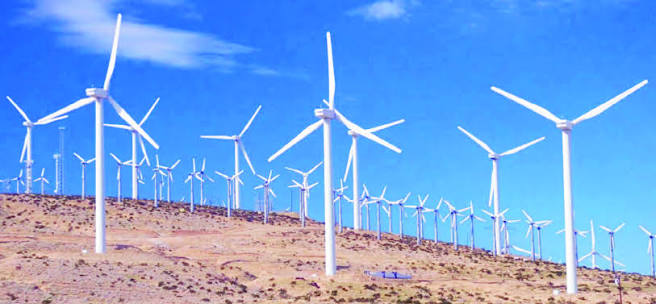
At the Nukus 2 project, 25 of 26 turbines are already supplying power to the grid, while the battery system undergoes safety testing
A wind energy project worth about €232 million ($260 million) is nearing completion in western Uzbekistan. According to the Asian Development Bank (ADB), it is the first facility in Central Asia to combine electricity generation with large-scale battery storage.
At the Nukus 2 facility in the autonomous republic of Karakalpakstan, 25 of the 26 wind turbines are already generating electricity, and the battery system is undergoing commissioning tests. The plant is being built by Saudi Arabia’s ACWA. It includes a 200-megawatt wind farm and a battery system capable of storing 100 megawatt-hours of electricity.
According to project director Sardorbek Makhmudov, once the facility runs at full capacity it will be able to supply electricity to more than 300,000 people. The ADB says it will generate about 728,000 megawatt-hours per year. An update published on October 26 put construction progress at 94.2%.
“The wind farm began producing electricity in August,” Makhmudov said. He explained that commissioning the battery system involves additional safety and fire-safety requirements, so testing is being carried out in stages. The developer plans to complete commissioning of the battery system by the end of November 2026, after which the entire facility will move to full operation.
From Generation to Storage
Wind and solar generation depend on the weather, while consumer demand follows a different pattern. Battery storage is one way to narrow that gap: electricity can be stored when it is plentiful and fed back into the grid when needed, helping grid operators balance supply and demand and reduce the risk of outages.
At Nukus 2, the batteries are designed to provide short-term grid support when wind output drops or demand rises. Makhmudov estimated the system could supply power for “three to four hours,” depending on demand. The actual duration depends on how much energy is drawn from the batteries.
The project also includes the construction of a new 44-kilometer transmission line and the upgrade of existing infrastructure that will connect the facility to Uzbekistan’s national grid.
The growing role of storage systems extends well beyond Central Asia. According to the International Energy Agency (IEA), 108 gigawatts of new battery storage capacity will be installed worldwide in 2025, 40% more than the previous year. Europe is seeing similar shifts: although the total volume of new battery installations across all categories declined slightly, commissioning of large-scale storage systems more than doubled in 2025, reaching about 4.6 gigawatts.
International Investment and Long-Term Financing
The project is being implemented through ACWA Beruniy Wind, the Saudi company’s local subsidiary. In September 2025, the ADB and a fund it administers signed a loan package worth about €46 million ($51 million). Other lenders include the Asian Infrastructure Investment Bank (AIIB), the Dutch development bank FMO, Standard Chartered and Saudi EXIM. The AIIB separately approved about €67 million ($75 million) in financing for the project. The ADB also provided a state-backed credit guarantee to reduce financial risks and stimulate competition during the tender stage.
The investment rests on a 25-year power purchase agreement signed in March 2024 following a competitive tender. Under the agreement, Uzbekistan’s national grid operator will buy the electricity produced by the plant. The arrangement combines private investment with a predetermined buyer for the energy produced, giving the project a commercial foundation.
ADB portfolio manager Abdulatif Matkarimov said the bank has supported renewable energy development in Uzbekistan and previously launched a project in Navoi. According to him, about ten projects are underway in the sector.
Local Employment and Community Impact
Construction has also created new jobs in Karakalpakstan. According to Makhmudov, 750–800 people worked on the project during construction, including more than 400 local workers and specialists. “Local specialists are already taking on management roles in projects of this scale,” he said.
Project social manager Tarana Jafarova explained that hiring workers from nearby communities is intended to support local incomes and livelihoods. She also described grievance procedures and compensation for those affected by construction.
The environmental assessment identified potential impacts on land use and wildlife, which require mitigation measures and ongoing monitoring.