Economic impacts of global climate issues
Rising temperatures, droughts, floods, and other extreme weather events affect various sectors of the global economy.
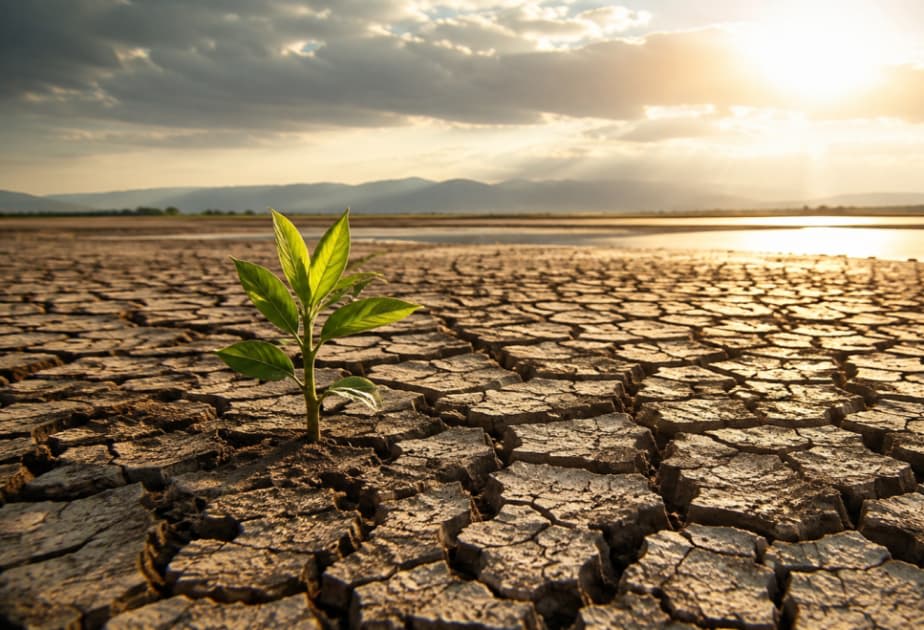
Global climate change represents one of the challenges of the modern world—not only in environmental terms but also in economic ones. Rising temperatures, droughts, floods, and other extreme weather events impact various sectors of the global economy. These processes can lead to increased production costs, damage to infrastructure, and a slowdown in economic development.
Agriculture and food prices are among the areas most vulnerable to the effects of climate change. The depletion of water resources, land degradation, and adverse weather conditions reduce productivity. Consequently, issues arise within food supply chains, prices climb, and the purchasing power of the population diminishes.
Climate-related challenges also affect the industrial, energy, and transport sectors. Natural disasters cause damage to manufacturing facilities, roads, and energy infrastructure, resulting in additional financial costs. Furthermore, extreme heat leads to a decline in labor productivity and an increased demand for electricity. These factors can negatively impact business operations, international trade, and supply chains. Another significant issue is the burden placed on the state budget and the financial system. Following climate-related disasters, greater funding is required for recovery efforts, social assistance, and the renewal of infrastructure. At the same time, rising insurance costs and financial losses incurred by businesses exacerbate economic risks. These impacts can lead to particularly severe consequences in countries that are dependent on natural resources and possess limited financial capacity.
Conversely, climate change also drives the emergence of new economic opportunities. The development of renewable energy sources, improvements in energy efficiency, the adoption of green technologies, and ecological innovations create conditions for attracting new investments and generating jobs.
Ultimately, a collaborative effort among states, international organizations, and the business sector is essential to mitigate the economic impacts of global climate challenges. Proactively assessing climate risks, building resilient infrastructure, and increasing investment in the green economy can help prevent economic losses while ensuring long-term development.