Like SpaceX, Anthropic ran an unusual IPO process that irritated some bankers
For the second time this year, Wall Street bankers and lawyers earned big paydays from a record-breaking IPO, and some again complained that the process was more complicated than anything they had experienced before.
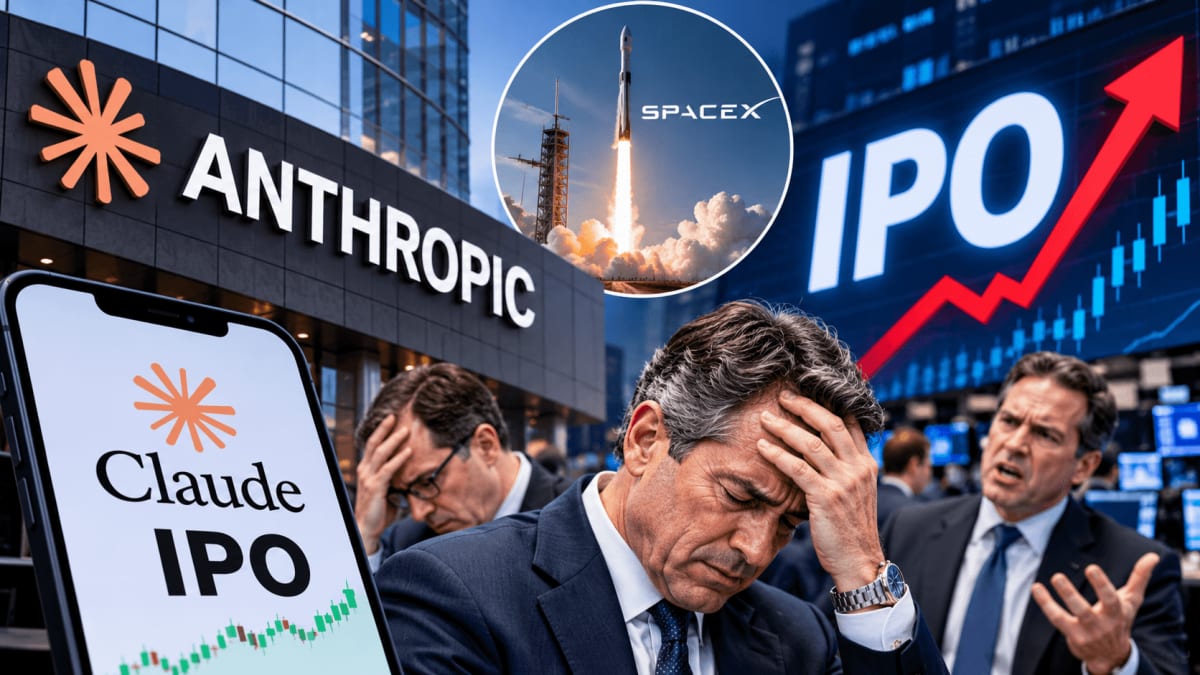
For the second time this year, Wall Street bankers and lawyers earned big paydays from a record-breaking IPO, and some again complained that the process was more complicated than anything they had experienced before.
Anthropic's IPO, which the company internally called "Project Lantern," eclipsed SpaceX's on Thursday, and bankers earned more than half a billion dollars in fees from the deal. People close to the process cited compressed timelines, last-minute changes, delays in sharing financial projections, hastily approved documents, unusual restrictions on bankers and concerns about leaks as problems. Reuters had reported many details of the deal weeks before they were made public.
In June, banks earned roughly the same amount in commissions on SpaceX's IPO. Bankers were unhappy with how tightly the company, led by Elon Musk, controlled the process and how secretive it was with financial information.
A four-banker limit
According to people familiar with the matter, Anthropic told some of its 22 underwriters to limit the number of bankers working on the deal to four and to staff it only with senior employees. The restriction likely stemmed from fear of leaks, and the banks found ways around it.
Underlying the complaints is a new power dynamic between technology companies and Wall Street: companies like SpaceX, Anthropic and, in the future, OpenAI face huge demand for their shares and are using that leverage to their advantage. Jay Ritter, professor emeritus at the University of Florida, believes the big Wall Street firms will go back to business as usual, with the possible exception of OpenAI. He also said both companies agreed to pay underwriters nothing for additional shares sold through the "greenshoe" option.
Goldman Sachs, Morgan Stanley and Anthropic declined to comment; SpaceX and OpenAI did not respond.
A successful debut, diverging paths
Both companies raised record amounts, and their order books were oversubscribed many times over. SpaceX's shares peaked at $201.80 on June 16, then fell below the $135 IPO price in mid-July. Anthropic's shares closed down 8.5% on Friday after a 17% gain on the first day, amid a sharp selloff in AI stocks.
SpaceX: Musk's team dictated the terms
Musk's team told the largest U.S. banks how and to whom to sell the shares, and specified order sizes of several billion dollars for some of them. The banks signed on without knowing how much they would be paid.
Anthropic: extreme caution
Anthropic asked senior officials at some banks to sign documents restricting key members of the deal team from working with rivals, including OpenAI, Cursor, DeepSeek and Hugging Face, for six months. Bankers and lawyers say such broad exclusivity is rare. According to some, Anthropic needed a broad syndicate and tried to bind individual bankers this way. One banker who refused to sign said it was hard to find such people at a time when rivals were pursuing their own offerings.
Leaks and a late-night document
About four weeks before the S-1 was made public, Reuters reported on the company's finances, risk factors and other details. Anthropic used the NetRoadshow platform to share information: it records who views which page, documents carry bankers' names as watermarks, and copies cannot be saved. Leaks continued anyway.
To begin marketing on November 10, the company had to send the updated S-1A to the banks for signature. The night before, a law firm mistakenly sent a PDF with the wrong price range and allocation information, then urged banks to disregard it. The correct document was sent at around 2 a.m. New York time, and banks were given a few hours to sign it before it was filed with the SEC.