Japan’s Foreign Exchange Reserves Fall by a Record Amount!
Japan’s foreign exchange reserves fell by $79.6 billion in August to $1.208 trillion.
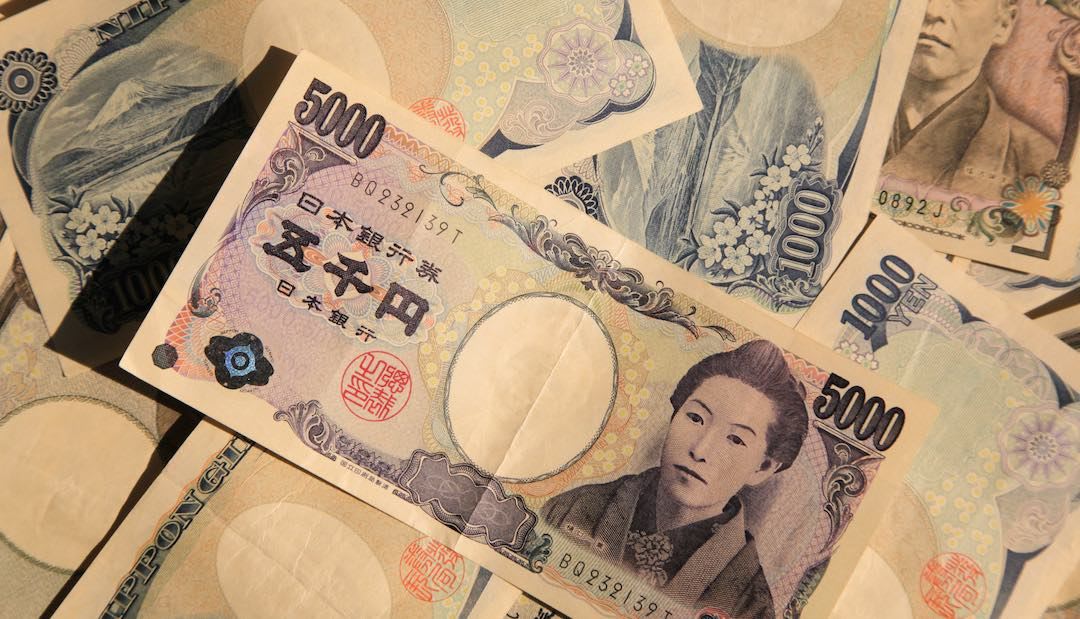
Japan’s foreign exchange reserves fell by $79.6 billion in August to $1.208 trillion. This was the largest monthly decline recorded since 2000. The main reason for the decline was Japan’s major currency intervention aimed at supporting the value of the yen. Between July 30 and August 26, Japan’s Ministry of Finance spent approximately $98.7 billion to buy yen. This was the largest yen purchase carried out in a single month.
Before the intervention, the yen had weakened to around 164 against the US dollar. Following the intervention, the exchange rate initially fell to 155.20, then moved around the 160 level. In early September, it stabilized in the 155–156 range.
To finance the operation, Japan sold some of its foreign assets, including US Treasury securities. As a result, the country’s holdings of foreign securities decreased by $87.7 billion in August. Another important aspect of the intervention was coordination with the United States. This is considered the first joint currency intervention by Japan and the US since the 2011 Fukushima crisis. Markets are now watching the Bank of Japan’s meeting scheduled for September 17–18. A rate hike could strengthen the yen. Otherwise, the dollar-yen exchange rate could once again rise above 160. These developments are also important for Turkey and other emerging markets. Higher interest rates in Japan could affect global capital flows and, indirectly, the USD/TRY exchange rate.