Blacklisted Chinese university bought Nvidia H200 chips
Northwestern Polytechnical University, which has close ties to the military, obtained advanced AI chips despite US export restrictions
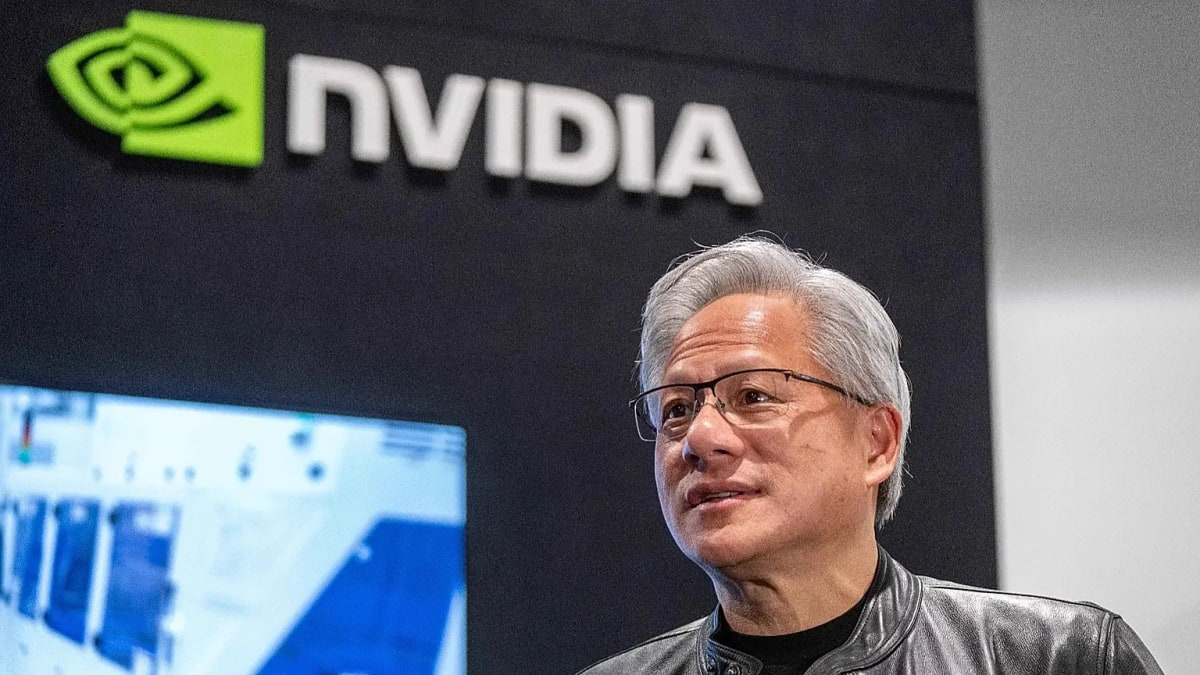
Northwestern Polytechnical University, which has close ties to the military, obtained advanced AI chips despite US export restrictions
Beijing, November 11. Northwestern Polytechnical University, which has close ties to China’s People’s Liberation Army, bought Nvidia H200 AI chips even though it is on the US export blacklist. Reuters reports this based on government procurement records.
How the purchase happened
A procurement notice dated October 21 appears on the university’s website. According to it, the university’s school of management bought two H200 chips for 874,700 yuan (about $123,000). The chips were supplied not directly by Nvidia but by a company called Shaanxi Bosuan Network Technology. The agency could not find contact details for this company.
The H200 is among the chips that require a US export license. For blacklisted entities such as Northwestern Polytechnical, such licenses are usually denied.
Remote access was also used
In January, the university’s school of cybersecurity signed two seven-month contracts for access to servers with eight H200 chips each. The contracts are worth 441,700 and 441,000 yuan. The access was intended for fine-tuning AI models and reinforcement training.
The university also rented access to servers with A100 and A800 chips, whose export to China is completely banned. According to Reuters, the university signed five contracts this year for leased computing power in total.
Who the university is
Located in Xi’an, the university conducts research on military aircraft, missiles and satellites. The US Commerce Department added it to the Entity List in 2001 over suspicions of missile proliferation and military research. Restrictions were tightened in 2019. Since then, licenses for exporting controlled technology to the university have mostly been denied. The university is also part of the “Seven Sons of National Defense” group, which conducts defense research for Beijing.
Not an isolated case
Reuters reviewed 26 Chinese procurement and corporate records for this year. It found that several universities and research institutions bought restricted Nvidia chips or rented computing services that use them. Examples:
Shenzhen University bought three H100 chips in September for 769,800 yuan.
Wuhan University of Technology acquired a server with H100 chips and four A100 chips in June.
Beihang University (part of the Seven Sons group) paid 489,000 yuan for four A800 processors in April.
The procurement notices contain very little information about where the chips came from and where the servers are located. The agency previously reported that Chinese entities obtained restricted chips through local vendors and that an underground market for these chips exists in the country. Last week, Reuters reported that a small number of H200 chips had reached China through indirect routes, while Beijing has not allowed large-scale imports.
Political debate in Washington
In January, Donald Trump’s administration began allowing H200 exports to China on a case-by-case basis. This decision did not lift the restrictions that apply to organizations on the Entity List. The rules also require safeguards to prevent blacklisted entities and military users from remotely accessing exported chips.
Nvidia and CEO Jensen Huang face growing criticism for lobbying for eased restrictions on sales to China. Allegations that Huang was a target of Chinese intelligence are also in the news. Huang says continued sales preserve US technological leadership and keep Chinese customers dependent on American technology. Some lawmakers, however, worry that these chips could accelerate China’s weapons design, intelligence analysis and military modernization.
Members of Congress from both parties want chip-tracking requirements and tougher congressional oversight of exports. Three Republican committee chairs have requested a briefing from Huang on November 18 about ties to Chinese intelligence.
Northwestern Polytechnical, Nvidia and the US Commerce Department’s Bureau of Industry and Security did not respond to Reuters’ requests for comment.
Source: Reuters