Meloni: Rising inflation forces EU countries to spend billions more
Italian Prime Minister Giorgia Meloni has said that high inflation in Europe is putting significant pressure on national budgets and forcing governments to spend more than previously planned.
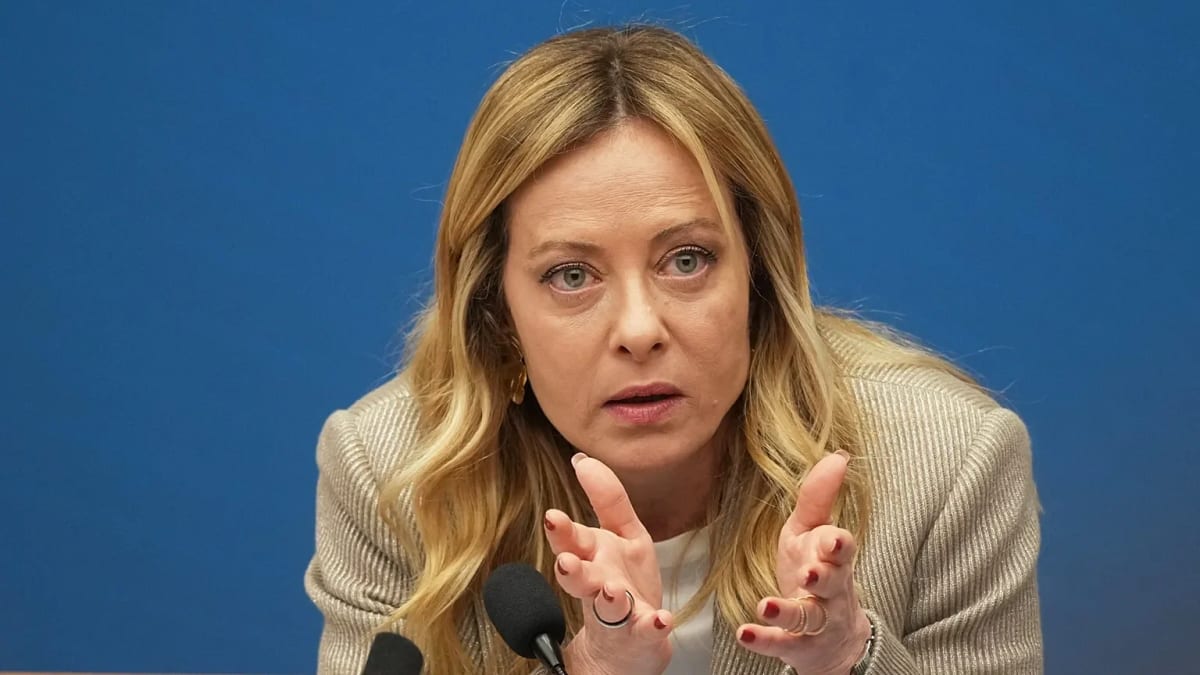
Italian Prime Minister Giorgia Meloni has said that high inflation in Europe is putting significant pressure on national budgets and forcing governments to spend more than previously planned.
Meloni made the remarks at a press conference in the Croatian city of Split following the MED-9 summit, which brought together nine EU Mediterranean countries.
According to her, higher-than-expected inflation in recent years has led to an automatic increase in social and other budget expenditures across EU member states.
“High inflation affects national budgets. Today, inflation is higher than the 1.8% projected three years ago. This, I believe, means an automatic increase in spending for all EU member states,” Meloni said.
The Italian prime minister stressed that Italy’s legislation contains automatic mechanisms designed to take the effects of inflation into account. In particular, the indexation of pensions and social benefits to inflation creates an additional burden on the state budget.
Meloni noted that the government would have to spend “billions” of additional funds, stressing that this was not a result of her own initiative. She said that, under such circumstances, it was important for the European Union to show greater flexibility in applying its fiscal rules.
According to the Italian media, a total of 18 countries have supported Rome’s request. The issue was discussed at the MED-9 summit in Split, as well as a day earlier with representatives of other European countries, including Germany.
Rising energy prices have further intensified inflationary pressures in Europe. In Italy, annual inflation rose to 4.2% in September, reaching its highest level in three years. In August, the figure stood at 3.3%.
The increase in prices, particularly for energy and fuel, has prompted the Italian government to take additional measures to ease the burden on consumers.
Rome is taking steps to reduce, and in some cases abolish, excise duties in an effort to limit the impact of rising fuel prices on households.
The Italian government believes that the increase in public spending caused by inflation-linked social payments and other automatic budget mechanisms creates a need for a more flexible approach to the EU’s fiscal rules.