The Different Paths of Gold and Silver
The movement of gold and silver prices in divergent directions (decoupling) on global markets is primarily related to the functional purpose of these two metals, market size and investor behavior.
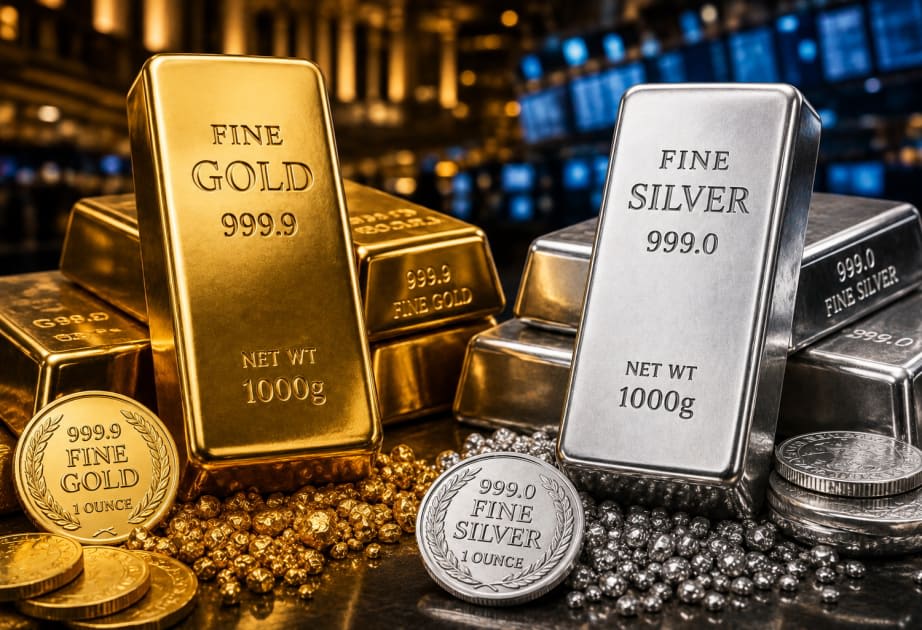
T The movement of gold and silver prices in divergent directions (decoupling) on global markets is primarily related to the functional purpose of these two metals, market size and investor behavior. The main factors determining this differing dynamic are:
Investment and Industrial Characteristics: Gold is valued more as a pure asset, a safe-haven, and a hedge against inflation. Silver, on the other hand, possesses the characteristics of both a precious metal and a primary industrial metal. Silver is intensively used in technology, green energy (solar panels), electronics, and the automotive industry. Short-term weakening or expectations in industrial demand can negatively affect silver even if gold becomes more expensive.
Market Scale and Volatility: The silver market is significantly smaller compared to the gold market. For this reason, silver is much more sensitive and volatile to speculative operations, liquidity fluctuations, and exchange manipulations. While a steady growth is observed in gold, sharp declines or, conversely, rapid surges can occur in silver.
Portfolio Strategies and Capital Dynamics: Large investors and funds readjust their portfolios when managing risks. Sometimes the inflow of capital into gold as a safe haven intensifies (which drives up its price), while funds can be simultaneously withdrawn from silver (classified under the industrial metals category) or different exchange positions closed.
In short, while gold moves under the influence of pure global economic uncertainties and macroeconomic signals, silver is strongly influenced by demand from the real industrial sector alongside one-sided economic factors.